
The Desk of Controlled Chaos
I’m managing two nonprofits (Covenant for Forgotten Warriors and True Signal Media), agricultural operations across an ocean in Ghana, 180+ active FOIA requests and 30+ appeals targeting government stonewalling at every level. Why? Because I’ve learned the same lesson on two continents: when official systems fail citizens, citizens must organize to save themselves.
I’ve won court victories in Ghana that sent illegal miners home. In America, I’ve filed 180+ FOIA requests, 30+ appeals, and I’m building congressional oversight cases. The tools are different. My willingness to take officials to court is not.
Corruption isn’t just about bribes changing hands. It’s about any system where officials prioritize their interests over their duty to citizens – whether the currency is cash or career protection. I’ve seen both. The betrayal looks identical.
Ghana: When Promises Meet Reality
The Promise
Across Berekum District and other districts throughout Ghana, Chinese mining operations approached farmers with compelling offers: lease or sell your land, receive payment that could transform your family’s economic situation. For farmers working land that had supported generations, it seemed like opportunity.
The pitch was appealing – let us use your land to extract minerals, you get paid, everyone benefits. Many farmers imagined something manageable. Careful extraction. Targeted operations. Land that could eventually return to agricultural use. They signed agreements thinking they were making smart business decisions for their families.
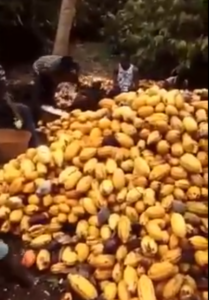
This is the reality of Ghanaian agricultural land – fertile, productive, capable of supporting families for generations. Cocoa farms. Real economic value. This is what the mining sites used to be.
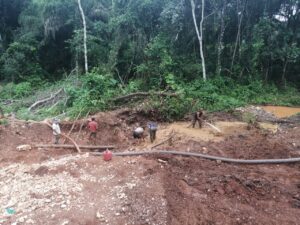
This is what mining actually meant. Not careful extraction – industrial-scale devastation.
By the time farmers understood what they’d agreed to, the equipment was already destroying their land. The topsoil – built up over centuries – stripped away. Water sources contaminated with mining runoff. Deep pits carved into land that once grew crops.
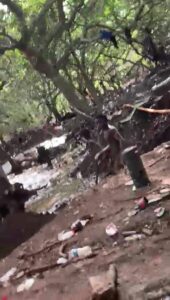
The operations employed Ghanaian men to help dig and destroy the land – turning neighbors into accomplices in the destruction of their own district’s agricultural future. Local labor, foreign profit, permanent devastation. Hand-digging 3-4 feet deep around trees, destroying root systems and soil structure.
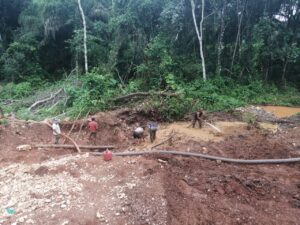
The money they’d been promised suddenly looked very different against the reality of what they’d lost. This wasn’t land that could be “restored” after mining. This was permanent destruction.
Instead, they targeted farmers. They approached people working productive agricultural land with incomplete information about what “mining” actually meant. They used Ghanaian labor to dig and destroy. They turned productive farmland into permanent wasteland when legitimate alternatives existed.
This wasn’t about necessity. This was about exploitation. Farmers were easier targets than legitimate mining land purchases. Less informed. Less able to fight back. More vulnerable to promises of quick money without understanding the permanent cost.
And here’s what made it worse: many farmers who tried to stop the operations once they understood the reality found themselves bound by the contracts they’d signed. Agreements made under incomplete information became legal shields for continued destruction.